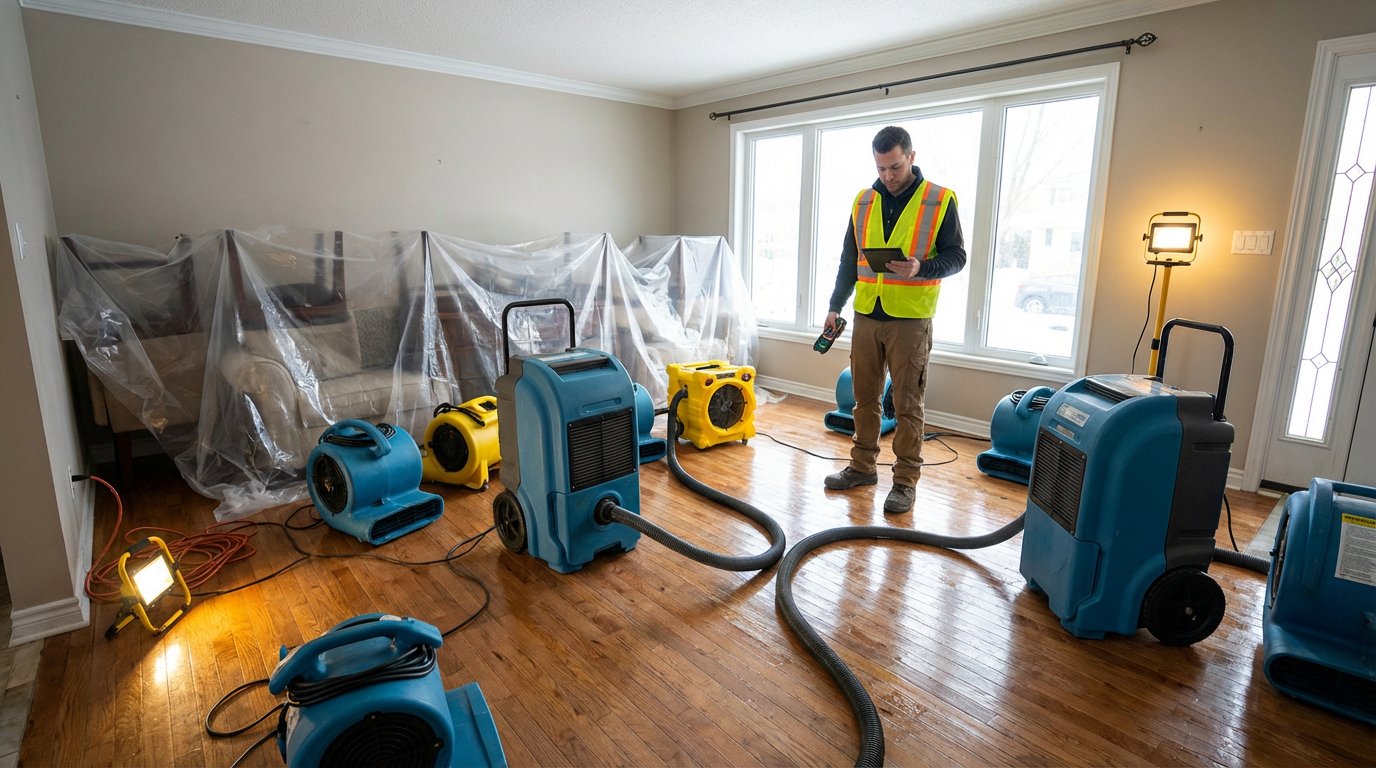
Water Damage Restoration
Across
Georgia.
Georgia's climate is unforgiving. Red clay soil that traps water against foundations, subtropical humidity that breeds mold within 48 hours, and spring thunderstorms that overwhelm drainage systems make water damage one of the most urgent home emergencies in the state. Licensed, insured contractors serve all Metro Atlanta counties — 24 hours a day.
24–48 hours — mold colonization window in Georgia's subtropical humidity
Red clay soil — near-zero permeability pushes water against foundations
4 counties covered — Cobb, Fulton North, Gwinnett, Cherokee
17+ cities — from Marietta to Canton across all Metro Atlanta suburbs
1970s–1990s stock — aging pipes and water heaters across most suburbs
before mold risk
counties covered
across Georgia
nights & weekends
Metro Atlanta
Counties We Serve
Four counties, 17+ cities — click your county for detailed city coverage, local risk factors and direct contractor access.
Georgia's third-most populous county. Subdivisions built across the 1970s to 1990s sit on low-permeability red clay — runoff pressure against foundations is a defining feature during storms. The I-75/I-575 corridor contains some of Metro Atlanta's highest concentrations of aging plumbing infrastructure. Marietta, Kennesaw, and Smyrna are among the most active service areas.
North Fulton combines high-value residential properties with complex finished basements, crawl spaces, and extensive HVAC condensate systems — all amplifying water damage exposure and restoration cost. Roswell's proximity to the Chattahoochee River creates specific flash flood risk, while Alpharetta and Johns Creek see premium-home storm damage with insurance values well above county average.
The second-most populous county in Georgia and one of the most rapid-growing in the Southeast. Rapid development has layered new construction on top of older subdivisions, with stormwater infrastructure frequently overwhelmed during intense rain events. Duluth, Lawrenceville, and Norcross contain a high density of townhome and slab-on-grade properties particularly vulnerable to sewer backup and surface flooding.
Situated at the foothills of the Blue Ridge Mountains, Cherokee County receives measurably higher annual rainfall than the Atlanta metro — and its steeper terrain accelerates surface runoff. Canton and Woodstock have seen explosive residential growth, with many newer subdivisions built on former rural land with variable drainage quality. Crawl space moisture and foundation water infiltration are the dominant call drivers.
Water Damage Services
Statewide Georgia
From emergency extraction to full structural restoration — licensed contractors manage every phase of recovery.
Emergency Water Extraction
Industrial pumps and truck-mounted extractors deployed 24/7 across all Metro Atlanta counties. Immediate standing water removal minimizes structural spread.
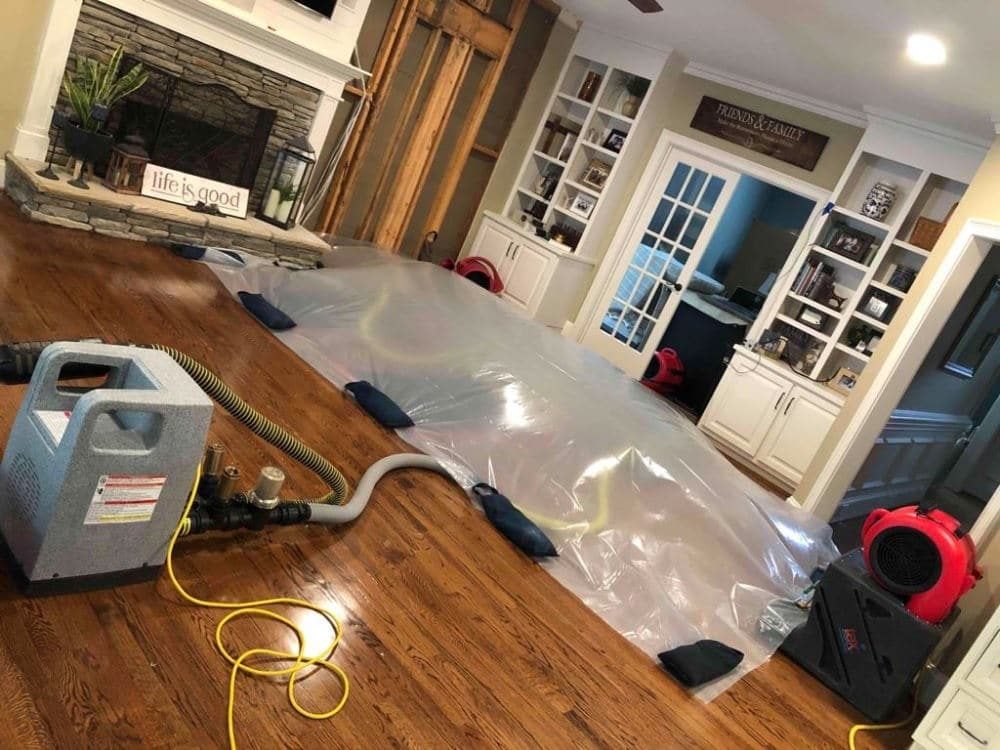
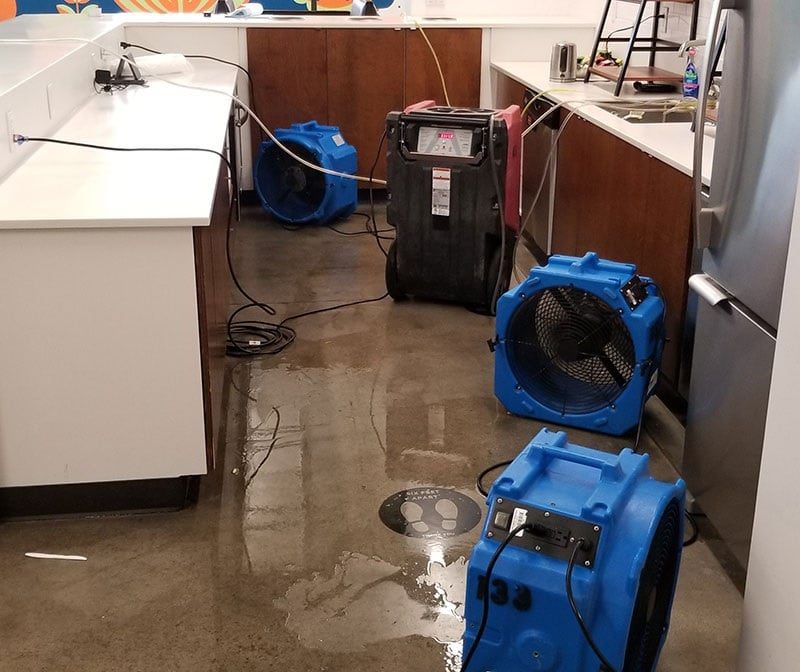
Structural Drying & Dehumidification
Commercial-grade air movers and dehumidifiers calibrated for Georgia's subtropical humidity. Targets hidden moisture in walls, subfloors and crawl spaces.
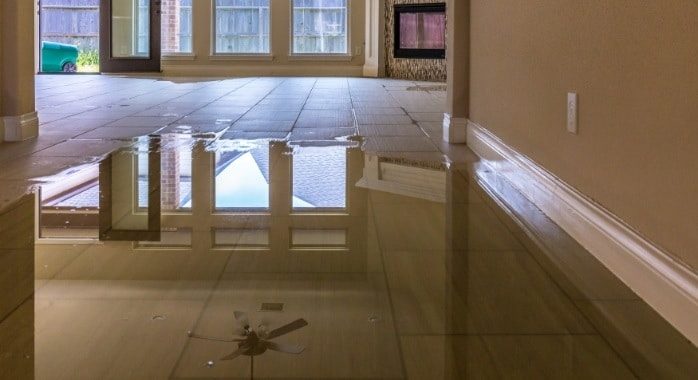
Flood Damage Cleanup
Storm surge, flash flooding and overland water events across all Georgia counties. Full extraction, sanitization and structural assessment post-flood.
Burst Pipe Restoration
Georgia's periodic hard freeze events cause pipe failures without warning. Rapid multi-room response before water migrates through wall and floor assemblies.
Sewage Backup Cleanup
Category 3 black water remediation with full PPE protocols, antimicrobial treatment and air quality restoration for residential and commercial properties.
Mold Prevention & Remediation
Georgia's humidity makes mold colonization a near-certain outcome without professional drying. Early intervention stops spread before it reaches structural materials.
Why Georgia Homeowners Face
Year-Round Water Damage Risk
A Subtropical Climate That Never Lets Up
Georgia sits at the intersection of three competing weather patterns — moisture-laden Gulf air from the south, cold fronts sweeping down from the Appalachians, and the Atlantic seaboard's coastal humidity. The result is a state that rarely gets a break from precipitation risk. Spring and summer bring intense convective thunderstorms capable of dropping three to five inches of rain in under an hour. Fall and early winter bring frontal systems that can saturate the ground for days. Even winter introduces periodic hard freeze events that stress aging plumbing systems across the Metro Atlanta suburbs.
What makes Georgia different from most states is the combination of high annual precipitation and high ambient humidity. Even after the rain stops, indoor humidity levels above 65% prevent building materials from drying naturally. Without professional dehumidification equipment, wet drywall, insulation and subfloors remain saturated — and mold colonization typically begins within 24 to 48 hours.
Red Clay Soil — Georgia's Hidden Risk Factor
Most of Metro Atlanta sits on Georgia's characteristic red clay — a Cecil or Madison series soil with near-zero permeability. Water that falls on this clay cannot be absorbed quickly. During heavy rain events, surface runoff has nowhere to go except along the path of least resistance: toward foundations, into window wells, through basement walls and under crawl space vents.
This is the primary driver of water damage calls across Cobb County and Gwinnett County, where subdivisions built in the 1980s and 1990s were graded to standard codes of the era — codes that did not anticipate today's rainfall intensity patterns. In Cherokee County, steeper terrain accelerates this runoff even further.
Aging Housing Stock Across Metro Atlanta
A large share of Metro Atlanta's residential housing was constructed between 1970 and 2000. These homes now carry galvanized steel supply pipes approaching or exceeding their 40 to 50 year service life, original water heaters, and roof flashings that have cycled through decades of Georgia's freeze-thaw and UV exposure. Pipe failure is consistently among the top three causes of homeowners insurance claims in Georgia.
In Cobb County's established neighborhoods — Marietta, Kennesaw, Smyrna, Acworth, and Woodstock — this aging infrastructure represents genuine risk. In North Fulton's premium corridors — Alpharetta, Roswell, Johns Creek — newer construction presents different vulnerabilities: complex finished basements, intricate HVAC condensate drainage, and high-value flooring where a single water event can produce six-figure restoration bills.
The Response Window — Why Speed Determines Outcome
Every hour between water intrusion and professional extraction increases both damage cost and health risk. Water migrates rapidly through porous materials — drywall absorbs moisture several feet above the waterline within hours, and subfloor assemblies wick moisture into structural framing within a day. Once mold establishes itself in wall cavities or insulation, remediation becomes a fundamentally more complex and costly process.
Call (844) 817-0007 the moment water damage is identified. Contractors are dispatched 24 hours a day across all four Metro Atlanta counties — nights, weekends, and holidays included.
Subtropical humidity — mold window 24–48h year-round
Red clay soil — near-zero permeability, foundation pressure
Spring storms — April–Sept flash events, 3–5" per hour possible
Aging pipes — 1970s–1990s galvanized supply lines reaching end of life
Freeze events — periodic hard freezes stress under-insulated plumbing
Crawl spaces — widespread across Metro Atlanta, chronic moisture risk
Steep terrain — Cherokee County foothills accelerate surface runoff
Professional Restoration
Across Georgia
4 Steps to
Full Restoration
Call (844) 817-0007
24/7 live response. A licensed contractor in your Georgia county is identified for immediate dispatch.
On-Site Assessment
Thermal imaging and moisture meters map visible and hidden damage across walls, floors and structural assemblies.
Extraction & Drying
Industrial extraction followed by structural drying calibrated to Georgia's humidity — not finished until moisture readings confirm.
Full Restoration
Structural repair, reconstruction and insurance documentation — property returned to pre-loss condition.
Mold After Water Damage
Mold colonizes within 24–48 hours of any water event in Georgia's climate. If mold has started after water damage, professional mold remediation across Georgia is available through (844) 817-0007. For black mold removal or mold inspection and testing, the same certified contractors respond 24/7.
Water Damage
Doesn't Wait.
Every hour increases structural damage and mold risk. Licensed Georgia contractors are standing by now.
📞 (844) 817-0007Licensed · Insured · Available 24/7 · All Metro Atlanta Counties
Frequently Asked
Questions
Contractors available through (844) 817-0007 serve all Metro Atlanta counties — Cobb (Marietta, Kennesaw, Smyrna, Acworth, Woodstock), Fulton North (Alpharetta, Roswell, Sandy Springs, Johns Creek, Milton), Gwinnett (Duluth, Lawrenceville, Norcross, Peachtree Corners, Buford) and Cherokee (Canton, Woodstock, Ball Ground).
Georgia's red clay soil has near-zero permeability, directing surface water toward foundations during rain events. The subtropical climate enables mold growth within 24–48 hours. Metro Atlanta's 1970s–1990s housing stock adds aging pipe and appliance failure risk year-round.
Contractors are available 24/7 across all four covered counties. Call (844) 817-0007 at any hour — nights, weekends and holidays included. Response time varies by location and call volume.
Standard homeowners policies cover sudden and accidental water damage — burst pipes, appliance failures, storm-related roof leaks. Gradual leaks and natural flood events generally require separate coverage. Licensed contractors can assist with documentation and claims coordination.
Mitigation is the emergency phase — stopping further damage through extraction and structural drying. Restoration is the rebuild phase — repairing or replacing damaged drywall, flooring and structural elements. Contractors handle both phases under one call.
Yes. Georgia's warm temperatures and high humidity mean mold can colonize within 24 to 48 hours of water intrusion. Professional structural drying — not just surface drying — within this window is the only reliable way to prevent mold establishment in wall cavities and insulation.
Water Damage Restoration Across Metro Atlanta
Licensed contractors through (844) 817-0007 respond to water damage emergencies across all Metro Atlanta counties and cities. DeKalb County coverage includes Decatur, Dunwoody, Brookhaven and Tucker. Fulton County service extends to Atlanta, Johns Creek, Milton, South Fulton, Sandy Springs and Vinings. Gwinnett County communities include Duluth, Lawrenceville, Norcross, Suwanee, Peachtree Corners, Snellville and Buford. Cobb County and Cherokee County are also served with East Cobb and surrounding areas. For flood damage from severe storms, the same contractors handle extraction and restoration.
Ready to Connect
With a Contractor?
Licensed and insured · Available 24 hours · All Georgia Counties
📞 Call Immediately — 24/7(844) 817-0007