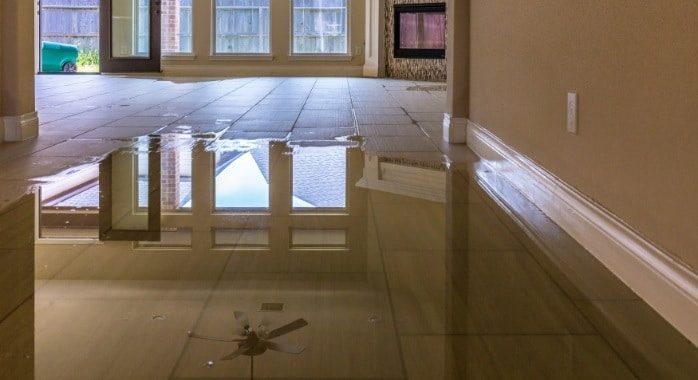
HomeGeorgiaCobb County
Water damage emergency restoration Cobb County Georgia licensed contractor
⚡ 24/7 Emergency Service

Cobb County, GeorgiaWater Damage
Restoration

Georgia red clay soil, aging 1980s–1990s plumbing, and Chattahoochee River proximity create a specific risk profile for Cobb County homeowners. Licensed contractors — (844) 817-0007.

Last updated: March 2026
📞Call Now — Free(844) 817-0007
Licensed Contractors Insurance Assistance 60-Min Response
⚠ Why Act Now

Clay soil: Near-zero permeability channels rainwater straight to foundations within minutes of heavy rain.

Polybutylene pipes: Pre-1995 homes in Marietta, Kennesaw & Smyrna carry elevated pipe failure risk.

Mold window: 24–48 hours for mold to begin colonizing in Georgia's subtropical humidity.

Insurance clock: Delayed professional documentation can complicate standard homeowners claims.

📞 (844) 817-0007
Available 24/7 — Nights, Weekends & Holidays
Licensed & Insured Contractors
Insurance Claim Assistance
IICRC S500 Standards
Cobb County Overview

Why Cobb County Faces Elevated Water Risk

Three converging factors — Piedmont clay geology, aging housing stock, and proximity to major waterways — create a specific water damage risk profile unique to Cobb County.

780K
Residents
60%
Homes Pre-2000
52"
Annual Rainfall
48hr
Mold Risk Window
01
Georgia Red Clay Soil

Cobb County sits on the Piedmont Plateau — dense red clay with near-zero water permeability. When it rains, water doesn't absorb into the ground; it runs toward foundations, basement walls, and crawl spaces. Subdivision grading from the 1980s–1990s build boom often compounds this, directing runoff toward homes rather than away from them.

02
Aging 1980s–1990s Housing

Over 60% of Cobb County's housing stock was built before 2000. Polybutylene pipes — installed widely from the mid-1970s through mid-1990s — are known to fail without warning when exposed to chlorinated municipal water over time. Homes built between 1975 and 1995 that haven't had a plumbing inspection carry unexamined risk.

03
Chattahoochee & Etowah Proximity

Western and northern Cobb County — Acworth, Woodstock, and parts of Marietta — sit near the Chattahoochee River and Lake Allatoona. During sustained storm events, creek tributaries feeding these waterways overflow rapidly. Clay soil plus waterway proximity creates compound risk that standard homeowners policies may not fully cover.

04
Subtropical Humidity & Mold

Cobb County averages 52+ inches of annual rainfall with high summer humidity. Mold can colonize drywall, insulation, and wood framing within 24–48 hours of water intrusion. Georgia's warm year-round temperatures mean there is no "safe season." Professional drying equipment is required to reach moisture levels that prevent mold establishment.

Response Process

When You Call (844) 817-0007

1
Live Dispatch — 24/7

You speak with a live person immediately, any hour, any day. No voicemail, no callback queue.

Immediate
2
Address & Assessment

Your address, damage type, and severity are assessed to identify the nearest available licensed contractor in Cobb County.

2–3 minutes
3
Contractor Dispatched

Licensed, insured contractor dispatched to your address. Cobb County coverage means faster response vs. metro-wide services.

Target: under 60 min
4
Inspection & Stabilization

Moisture mapping, water extraction, containment, and insurance documentation all begin on first visit.

On-site
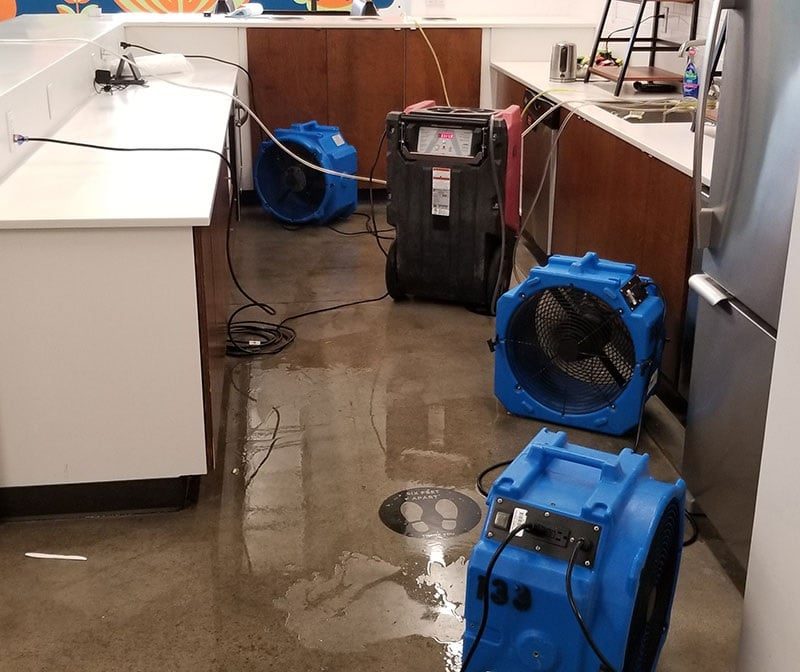
Water damage mitigation equipment deployed in Cobb County Georgia home
All persons depicted are actors or models.
Cobb County Context

The I-75 Corridor and Cobb County's Water Damage Patterns

Cobb County's rapid post-war suburban development — concentrated along the I-75 and I-575 corridors — produced large subdivisions built in compressed timeframes using similar materials. Pipe failure patterns in Cobb are often clustered: when polybutylene pipes begin failing in one East Cobb subdivision, neighboring homes built in the same era face similar timelines.

The county's topography amplifies the problem. Piedmont Plateau red clay means an inch of rainfall in an hour can produce significant surface runoff within minutes. Homes at the base of slopes, in cul-de-sacs, or near any of Cobb's creek tributaries face elevated exposure during storm events.

For property managers in Kennesaw, Marietta, and Smyrna — where rental density is high — rapid dispatch is especially critical. Tenant displacement and insurance documentation timelines both accelerate the cost of delayed response.

Call (844) 817-0007 for licensed Cobb County contractors, 24/7. See also: All Georgia counties covered.

Step-by-Step Process

What Happens After You Call

Understanding the full restoration process helps you ask the right questions and know what to expect. Licensed contractors follow IICRC S500 protocol.

1

Emergency Dispatch — Immediate

Your call to (844) 817-0007 connects you with live dispatch 24/7. Address, damage type, and severity are assessed to identify the nearest available licensed contractor. You are never sent to voicemail.

2

On-Site Inspection & Moisture Mapping — Within 60 Min

Contractor arrives with moisture meters and thermal imaging equipment. The full moisture footprint is mapped — not just visible damage. This step is critical because water migrates behind walls and under flooring far beyond the visible damage area. Documentation begins immediately for insurance purposes.

3

Water Extraction — Same Visit

Industrial truck-mount or portable extraction equipment removes standing water from all surfaces — carpet, hardwood, tile, and concrete slab. The goal is removing bulk water before structural drying begins. Speed here determines drying time and mold risk.

4

Structural Drying — 3 to 5 Days Typical

Industrial dehumidifiers and high-velocity air movers are placed to achieve IICRC drying goals. Daily moisture readings are documented. Drying time varies by material: carpet dries faster than hardwood; drywall faster than concrete slab. Drying is not complete until readings reach pre-loss levels throughout the affected structure.

5

Insurance Documentation & Scope of Loss

A complete documentation package — moisture readings, thermal imaging reports, photo documentation, and scope of loss — is prepared for submission to your homeowners insurance carrier. Licensed contractors are experienced with the documentation requirements of major Georgia insurers including State Farm, Allstate, USAA, and Travelers.

6

Restoration & Rebuild — Timeline Varies

Once drying is confirmed and insurance scope approved, restoration begins — replacing drywall, flooring, insulation, and any structural elements affected. The same contractor network handles both mitigation and restoration, eliminating handoff delays.

Common Questions

Frequently Asked Questions

What cities in Cobb County are covered?
All incorporated cities — Marietta, Kennesaw, Smyrna, Acworth, Woodstock — plus unincorporated areas including Powder Springs, Mableton, Vinings, East Cobb, and West Cobb. Call (844) 817-0007 to confirm coverage for your specific address.
Why is Cobb County particularly high risk for water damage?
Three factors converge: Georgia Piedmont red clay soil with near-zero permeability channels stormwater directly to foundations; a large stock of 1980s–1990s homes with polybutylene pipes approaching or past end-of-life; and proximity to the Chattahoochee River and Lake Allatoona in western and northern areas.
How quickly can contractors reach my Cobb County address?
Target response is under 60 minutes for most Cobb County addresses. Call (844) 817-0007 at any hour — dispatch is live 24/7, including nights, weekends, and holidays.
Do contractors assist with insurance claims in Cobb County?
Yes. Licensed contractors provide the moisture readings, thermal imaging documentation, photo evidence, and scope of loss reports required by major Georgia homeowners insurance carriers — including State Farm, Allstate, USAA, Travelers, and others.
My Cobb County home was built before 1995 — what pipe risk do I have?
Homes built between 1975 and 1995 in Cobb County may contain polybutylene (PB) pipes — gray or blue-gray plastic supply lines known to fail without warning when exposed to chlorinated water over time. If water damage has already occurred, call (844) 817-0007 immediately. For future risk, a licensed plumber can inspect your supply lines.
What is the mold risk after water damage in Cobb County?
Georgia's subtropical climate makes Cobb County among the highest-risk areas in the country for post-water-damage mold growth. Mold can begin colonizing drywall, insulation, and wood framing within 24–48 hours of water intrusion at any time of year. Professional structural drying — not household fans or dehumidifiers — is required to reach moisture levels that prevent mold establishment.
Does homeowners insurance cover water damage from pipe failure in Cobb County?
Standard homeowners insurance (HO-3 policies) covers sudden and accidental water damage from pipe failures, appliance supply line failures, and similar internal water events. Gradual leaks, maintenance neglect, and natural flood events are typically excluded. Prompt professional documentation is essential for a successful claim.

Mold After Water Damage

In Cobb County's humid climate, mold colonizes within 24–48 hours of any water event. If mold has established, Cobb County mold remediation contractors handle both restoration and remediation. City-level service is available in Marietta, Kennesaw, Smyrna, East Cobb, Acworth and Woodstock. Call (844) 817-0007.

Coverage includes East Cobb and Vinings through (844) 817-0007.

Don't Wait — Every Hour Counts

Water damage worsens fast. Mold can start growing within 24–48 hours in Georgia's climate. Call now for immediate help.

📞Free — Available Now(844) 817-0007

Ready to Connect
With a Contractor?

Licensed and insured · Available 24 hours · All Metro Atlanta Counties

📞 Call immediately(844) 817-0007